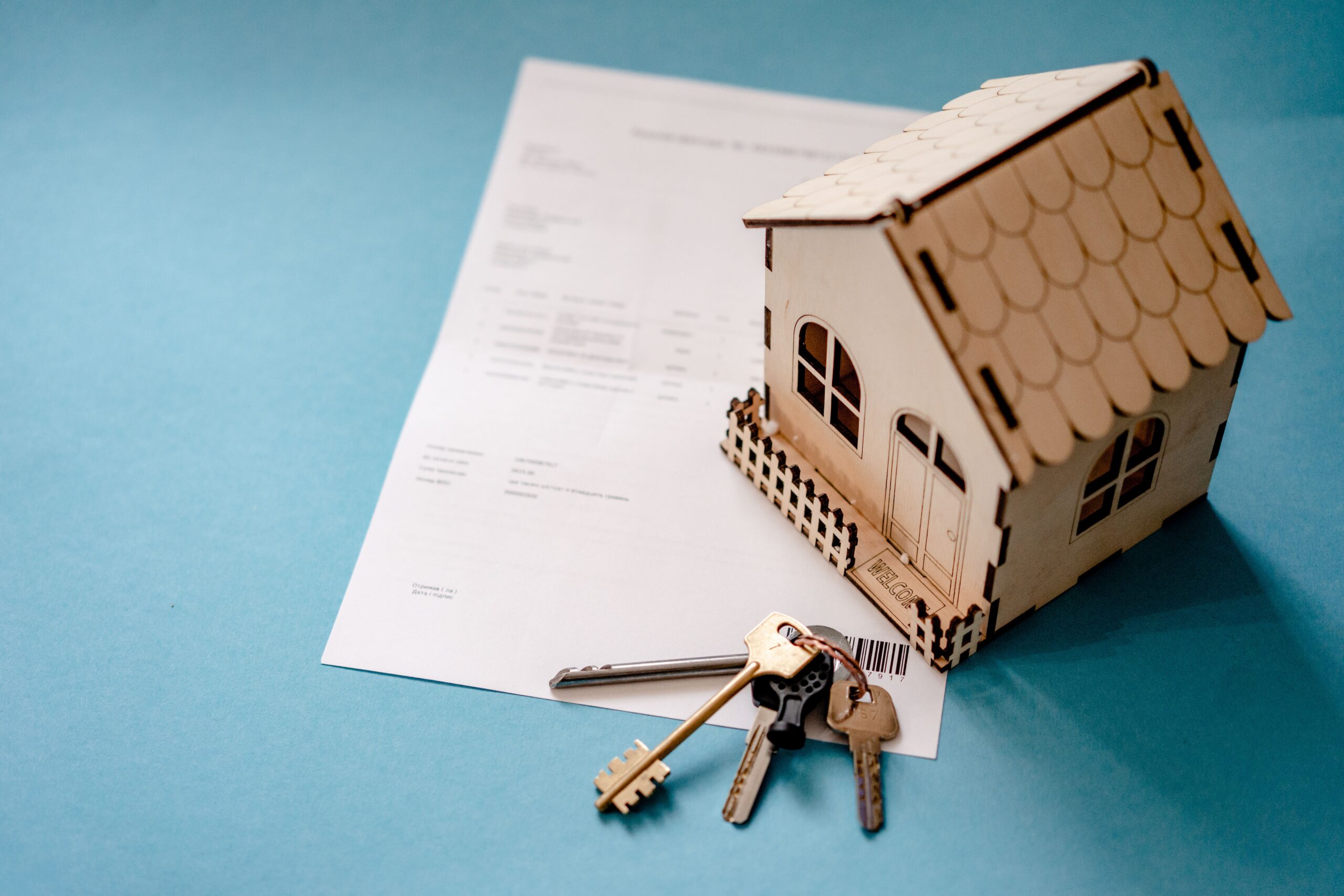
Your Guide to Mortgages and Home Ownership
Introduction
When it comes to buying a home, understanding mortgages is essential. A mortgage is a significant fiscal commitment, and having a solid grasp of how they work can save you plutocrats and make the home-buying process smoother. In this ultimate companion, we will break down everything you need to know about mortgages, from the basics to more advanced generalities.

What’s a Home loan?
A home loan is a credit explicitly used to purchase a home. It permits you to fan out the expense of the home over a lengthy period, for the most part, 15 to multiple times. The actual property fills in as security for the credit. This really means that assuming you neglect to make your home loan installments, the bank has the option to claim the property through a legitimate cycle known as dispossession.
Types of Mortgages
Fixed- Rate Mortgages
A fixed-rate mortgage offers stability in your yearly payments. The interest rate remains constant throughout the life of the loan, furnishing pungency for budgeting.
malleable- Rate Mortgages( ARMs)
ARMs start with a fixed interest rate for a set period, generally 5, 7, or 10 times, after which the rate adjusts periodically grounded on request conditions. They frequently start with lower rates but carry further threats.
Interest-Only Mortgages
Interest-only mortgages allow you to pay only the interest for a certain original period, after which you start paying both start and interest. These can be salutary for short-term power.
FHA Loans
FHA loans are government-backed mortgages that bear lower down payments and have further lenient credit conditions, making homeownership more accessible, especially for first-time buyers.
VA Loans
VA loans are available to stagers and their families, offering favorable terms similar to zero down payment and competitive interest rates.
Goliath Loans
Goliath loans are for parcels that exceed conventional loan limits. They frequently bear advanced credit scores and down payments due to the larger loan quantities.
Mortgage Interest Rates
One of the most critical factors in a mortgage is the interest rate. Your interest rate will significantly impact your yearly payments and the total cost of your loan. It’s told by colorful factors, including the current request, your credit score, and the type of mortgage you choose.
The part of Credit Scores
Your credit score plays a pivotal part in determining your mortgage eligibility and interest rate. An advanced credit score generally leads to better terms and lower rates. It’s essential to review and ameliorate your credit before applying for a mortgage.
Down Payments and PMI
Down payments are a chance of the home’s purchase price that you pay outspoken. A down payment of 20 or further frequently eliminates the need for Private Mortgage Insurance( PMI), which protects the lender if you overpass.
Mortgage operation Process
Pre-Approval
Getting pre-approved for a mortgage helps you understand how important you can go and shows merchandisers that you are a serious buyer.
Document Gathering
During the operation process, you will need to give colorful documents, including income statements, duty returns, and credit history.
Underwriting
Underwriting involves a detailed review of your fiscal profile by the lender to assess the threat of lending to you.
Ending on a Mortgage
ending involves subscribing to the final paperwork, including the mortgage note and deed of trust. You will also pay ending costs, which can include freights for services like appraisal and title insurance.
Understanding Amortization
Amortization is the process of gradationally paying off your loan through regular yearly payments. Beforehand payments go substantially toward interest, while latterly payments decreasely cover the star.
Refinancing Your Mortgage
Refinancing allows you to replace your current mortgage with a new bone, frequently with better terms. It can help lower your interest rate, yearly payment, or loan term.
Dealing with Financial Hardship
still, it’s essential to communicate with your lender and explore options like loan revision or forbearance, If you face fiscal challenges and can not make your mortgage payments.
Avoiding Common Mortgage miscalculations
miscalculations during the mortgage process can be expensive. Avoid issues by precisely reviewing documents, understanding terms, and working with estimable professionals.
Comparing Mortgage Offers
Do not settle for the first mortgage offer you admit. Protect around, compare terms, and negotiate to find the stylish deal that suits your fiscal situation.
Working with Mortgage Brokers
Mortgage brokers can help you find suitable loan options from different lenders. They act as interposers between you and the lenders, potentially saving you time and trouble.
Conclusion
In the trip of homeownership, understanding mortgages is consummated. From the types of mortgages available to the intricate details of interest rates, credit scores, and the operation process, this companion has covered it all. Armed with this knowledge, you are more equipped to make informed opinions and navigate the complications of securing a mortgage for your dream home.
FAQs
Q1 What is the minimum down payment needed?
Conventional loans frequently bear 20 down, but FHA loans can bear as little as 3.5 down.
Q2 How do I choose between a fixed-rate and an ARM mortgage?
Consider your fiscal stability, threat forbearance, and how long you plan to stay in the home.
Q3 Can I pay off my mortgage beforehand?
Yes, utmost mortgages allow for early prepayment but check for repayment penalties.
Q4 What is the biggest mistake to avoid during the mortgage process?
Failing to protect around for multiple home loan offers can affect advanced costs over time.