Understanding Personal Loan Options for Lower Credit Scores
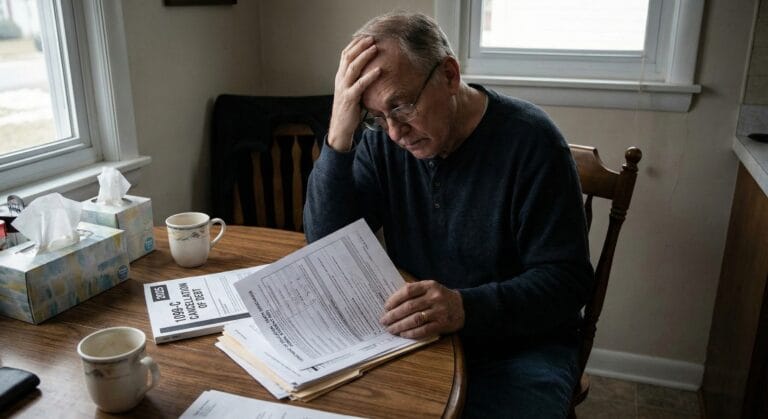
Financial emergencies do not wait for your credit score to improve. Whether it’s an unexpected medical bill, a car repair, or a sudden home emergency, needing cash when your credit score is low can feel overwhelming.
The good news is that having “bad credit” does not mean you are out of options. In 2026, the lending market has evolved, and there are many legitimate lenders who specialize in helping people with less-than-perfect credit histories. However, this territory also comes with risks—specifically, high interest rates and predatory scams.
This guide will walk you through exactly how to get approved for a personal loan with bad credit, how to find safe lenders, and how to spot the scams you must avoid.
Can I Really Get a Loan with Bad Credit?
The short answer is yes. However, it is important to be realistic about what that loan will look like.
Lenders use your credit score to decide how likely you are to repay money. If your FICO score is below 580, you are typically considered a “bad credit” borrower. To a lender, this represents a higher risk.
To mitigate that risk, lenders will often:
- Charge a higher Annual Percentage Rate (APR).
- Limit the maximum amount you can borrow.
- Look heavily at your income and employment stability rather than just your credit score.
If you have a steady job and can prove you make enough money to afford the monthly payments, you have a strong chance of approval even with a low score.
Step-by-Step Guide to Getting Approved
Follow these four steps to maximize your chances of approval while protecting your financial future.
Step 1: Check Your Credit Score for Errors
Before you apply anywhere, you need to know exactly what lenders are seeing. Go to AnnualCreditReport.com and download your free credit reports.
Look for mistakes. Is there a debt listed that you already paid off? Is there an address you don’t recognize? If you find an error, dispute it immediately. Removing a single incorrect negative mark could boost your score enough to move you from “Poor” to “Fair,” potentially saving you thousands of dollars in interest.
Step 2: Pre-Qualify with Multiple Lenders
This is the most critical step. Many online lenders now offer a “Pre-Qualification” feature.
This allows you to see if you would be approved and what interest rate you would get without hurting your credit score. This is known as a “soft credit pull.”
- Do: Apply for pre-qualification with 3-4 different lenders to compare rates.
- Don’t: Submit a formal “final application” until you are ready, as that triggers a “hard pull” which can temporarily lower your score.
Step 3: Gather Your Financial Documents
Bad credit lenders are obsessed with income verification. They need to know you have cash flow. Before you apply, have these ready:
- Proof of Income: Recent pay stubs (usually the last 2-3 months) or tax returns.
- Bank Statements: To show money going in and out.
- Active Bank Account: Lenders need a checking account to deposit the funds into.
- Identification: A driver’s license or passport.
Step 4: Choose Between Secured vs. Unsecured Loans
If you are struggling to get approved, you may need to choose a “Secured Loan.”
- Unsecured Loan: The lender gives you money based only on your promise to pay. These are harder to get with bad credit and have higher interest rates.
- Secured Loan: You provide “collateral,” such as your car title or a savings account. These are easier to get and have lower rates because the lender can take your asset if you don’t pay. Only choose this if you are 100% sure you can make the payments.
Where to Find the Best Bad Credit Loans
Not all banks will work with you, but these three types of lenders typically will.
1. Online Lenders Online fintech companies are often the best route for bad credit borrowers. They use algorithms that look at more than just your credit score, such as your education or job history. They are also fast—funding can sometimes happen within 24 hours.
2. Credit Unions Credit unions are non-profit organizations. Unlike big banks, they often look at the “whole member” story. If you have been a member for a while and have a good relationship with them, they may approve a small personal loan even with a low score.
3. Peer-to-Peer (P2P) Lending P2P platforms connect you directly with individual investors rather than a bank. These investors may be willing to fund your loan based on your personal story and income potential, rather than a strict credit cutoff.
🚩 Warning: How to Spot Bad Credit Loan Scams
Scammers prey on people who are desperate for cash. If you see these red flags, run away:
- “Guaranteed Approval”: No legitimate lender guarantees a loan before checking your income or credit.
- “No Credit Check” Loans: While some exist, they are often predatory payday loans with 400%+ interest rates.
- Upfront Fees: If a lender asks you to pay an “application fee,” “insurance fee,” or “processing fee” via gift card or Venmo before you get the loan, it is a scam. Real lenders deduct fees from the loan amount after approval.
Alternatives if You Get Rejected
If you cannot qualify for a standard personal loan, consider these safer alternatives before turning to high-interest payday loans:
- Co-Signer Loans: Ask a family member or friend with good credit to co-sign the loan with you. Their good score helps you get approved with a lower rate. (Warning: If you miss a payment, you hurt their credit too).
- Cash Advance Apps: Apps like EarnIn or Dave can let you borrow small amounts ($50–$200) against your next paycheck without a credit check.
- Credit Builder Cards: If the need isn’t urgent, open a secured credit card to start rebuilding your score today so you can qualify for a better loan in 6 months.
Conclusion
Getting a personal loan with bad credit in 2026 is entirely possible, but it requires caution. By checking your report, pre-qualifying to compare rates, and avoiding “guaranteed approval” scams, you can secure the funds you need without trapping yourself in a cycle of debt.
Always borrow only what you absolutely need, and have a solid repayment plan in place before you sign the dotted line.