FEMA Flood Insurance Rules 2026: Maps & Risk Rating 2.0
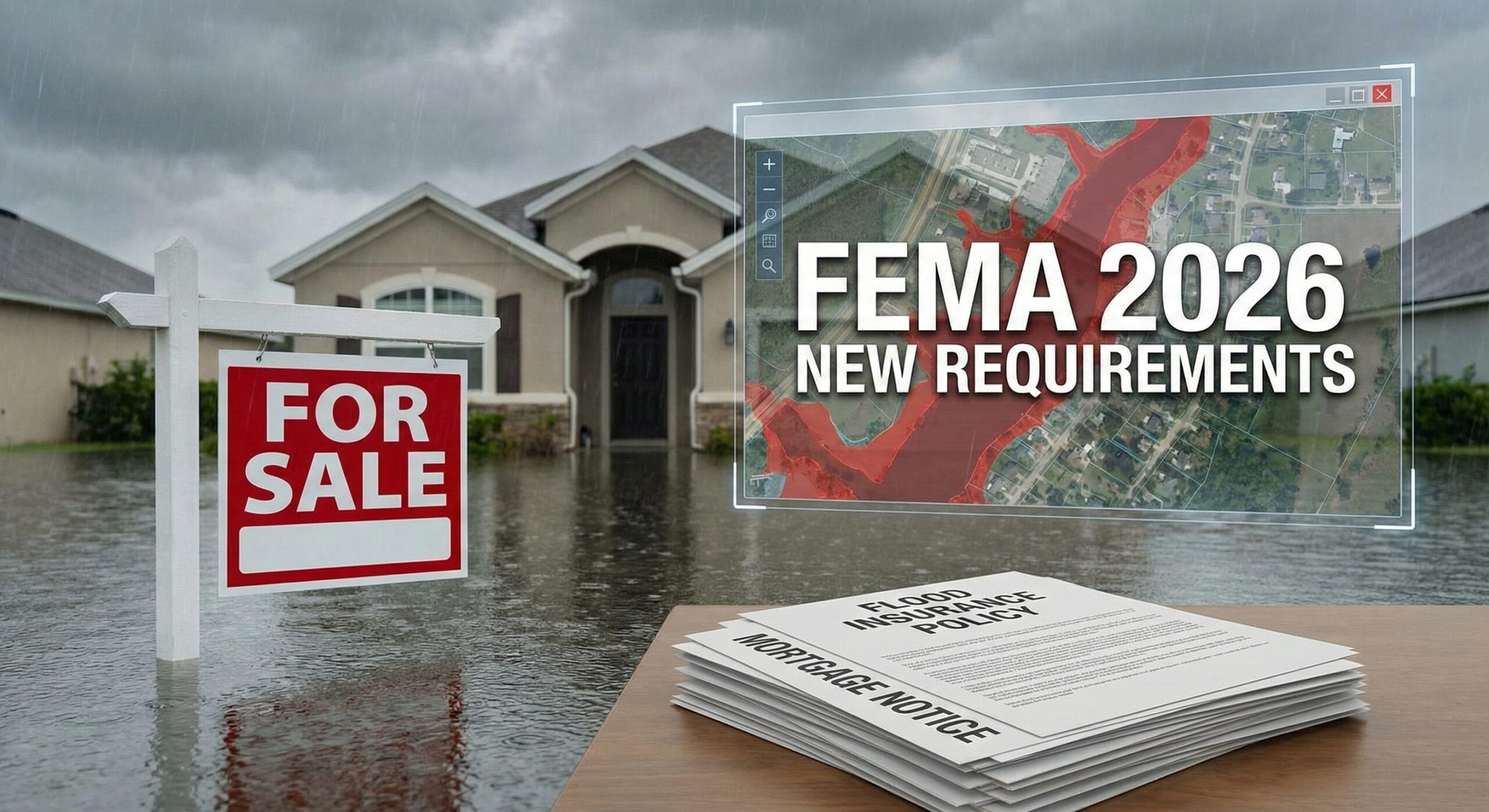
Homeowners often ignore official FEMA Flood Insurance Rules until a disaster strikes. For decades, people relied on simple “in or out” flood zones on a paper map. As of February 2026, the FEMA Flood Insurance Rules have changed significantly to use a complex system called Risk Rating 2.0. These updated regulations require millions of Americans to carry coverage for the first time, even if they live far from the coast.
This guide explains the technical details of the new maps, how the “50% Rule” affects renovations, and what specific data points determine your compliance status.
The Shift to Risk Rating 2.0
The most important change in the FEMA Flood Insurance Rules is the move to “Risk Rating 2.0.” Previously, FEMA based premiums solely on whether your home sat in a “Special Flood Hazard Area” (SFHA).
Now, FEMA uses advanced catastrophe models to calculate risk for each individual structure. Under these new FEMA Flood Insurance Rules, the agency looks at specific variables unique to your property:
- Distance to Water: The exact distance from your front door to the nearest river, lake, or coastline.
- Flood Type: Whether the risk comes from inland river overflow, storm surge, or heavy rainfall.
- First Floor Height: The precise elevation of your lowest livable floor relative to the ground.
- Replacement Cost Value: The cost to rebuild your home. Higher-value homes now pay higher rates to reflect their true insurance risk.
Understanding FEMA Flood Insurance Rules for Maps
While Risk Rating 2.0 determines the price, the official Flood Insurance Rate Maps (FIRMs) still dictate who must buy a policy. Lenders use these maps to enforce federal mandates.
You can verify your status by visiting the official FEMA Flood Map Service Center.
High-Risk Zones (Mandatory Coverage)
- Zone A / AE: These are high-risk areas subject to inundation by the 1-percent-annual-chance flood event. If you have a federally backed mortgage (FHA, VA, USDA) in this zone, FEMA Flood Insurance Rules mandate that you carry a policy.
- Zone V / VE: These are coastal high-risk areas that face additional hazards from storm waves. Building codes here are the strictest in the nation.
Moderate-to-Low Risk Zones
- Zone X: These areas face moderate or minimal risk. However, current data shows that over 40% of all flood claims come from Zone X. While federal law does not mandate coverage here, private lenders may still require it based on their own risk assessments.
FEMA Flood Insurance Rules on Renovations (50% Rule)
If you plan to remodel your home in 2026, you must understand the “Substantial Improvement” clause. This is one of the strictest FEMA Flood Insurance Rules for older homes.
How the Rule Works: If the cost of your improvements or repairs equals or exceeds 50% of the market value of the structure, you must bring the entire building up to current flood codes.
- Example: Your house is worth $200,000 (excluding land). You plan a $110,000 renovation.
- The Result: Since you are spending 55% of the value, the city will not issue a permit unless you elevate the home or install compliant flood openings.
Florida’s Specific “Glide Path” Mandate
In Florida, state-specific rules now supersede standard federal guidelines for many homeowners. Citizens Property Insurance Corporation has implemented a “glide path” that forces policyholders to buy flood insurance.
Under these state-level FEMA Flood Insurance Rules, if your home has a replacement cost of $400,000 or more, you must purchase a separate flood policy to maintain your wind coverage. By 2027, this requirement will apply to every single Citizens policyholder, regardless of their flood zone.
Technical Compliance: Elevation Certificates
Under the old system, an Elevation Certificate (EC) was mandatory for rating a home in a high-risk zone. Under the new FEMA Flood Insurance Rules (Risk Rating 2.0), an EC is no longer strictly required to buy a policy.
However, providing an EC is often the best way to lower your rate. If you can prove that your First Floor Height is higher than FEMA’s satellite data suggests, you can qualify for significant mitigation discounts.
How to Comply with FEMA Flood Insurance Rules
Ignoring these regulations puts your mortgage and your home’s equity at risk. To ensure full compliance:
- Verify Your Zone: Check the latest maps every year, as FEMA updates them periodically to reflect changing weather patterns.
- Check Your Foundation: Homes with proper flood vents (engineered openings in the crawlspace) pay lower premiums because they comply with strict FEMA Flood Insurance Rules for hydrostatic pressure.
- Review Your Coverage: Ensure your policy covers the full replacement cost of the structure. Many homeowners are underinsured because they stick to the statutory minimums.
Summary
The era of guessing your flood risk is over. The new FEMA Flood Insurance Rules rely on precise data to enforce compliance and set prices. Whether you are buying a new home or renovating an old one, understanding these technical requirements is the only way to protect your financial future.
Related Guide: Now that you understand the rules, check our guide on Flood Insurance Cost 2026: Mandatory Rules & Private Rates to see how much a policy will actually cost you.





One Comment