Car Insurance Rates 2026: Why They Are High & How to Save
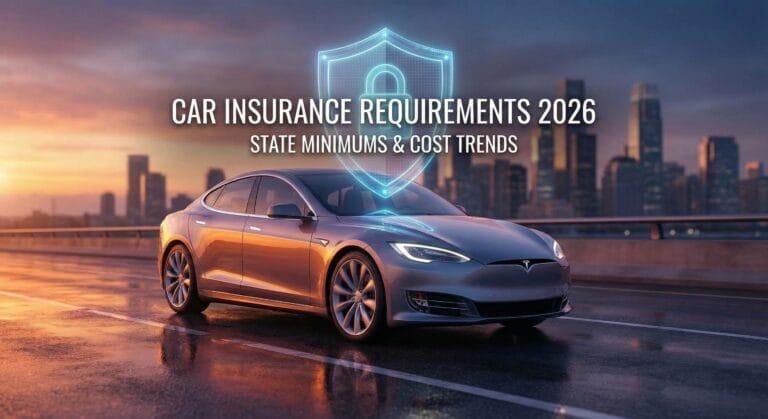
Car insurance rates have finally stabilized in 2026, but for most drivers, the damage to their wallets is already done. After the massive 17% spikes of 2024 and 2025, opening your renewal letter this month likely felt more like a relief than a shock—but the prices remain historically high.
Nationally, premiums are projected to rise only 1% to 4% this year. However, the average American is now paying roughly $2,496 per year ($208/month) for full coverage.
This guide explains why car insurance rates are refusing to drop, the “EV Penalty” you need to know about, and the one uncomfortable step you must take to get a discount in 2026.
State of Car Insurance Rates 2026: Who Pays More?
While the national average has flattened, car insurance rates vary wildly by zip code. In 2026, geography is your biggest enemy.
The “Danger Zones”
Three states are currently seeing the most painful premiums, often exceeding $300 per month for standard drivers:
- Nevada: The most expensive state in 2026.
- Louisiana: Still plagued by litigation and storm risks.
- Florida: Fraud and hurricane claims keep it in the top three.
The 2026 Surprise: New Jersey
The biggest shocker this year is New Jersey. While most states are flattening, New Jersey drivers are facing a projected 10% increase in 2026 due to new minimum liability laws and rising medical costs. If you live in the Garden State, you need to shop your policy now.
For a detailed forecast on these trends, you can review the 2026 Insurance Outlook by Deloitte.
Why Your Car Insurance Rates Went Up (Even With a Clean Record)
The most common complaint I hear is: “I haven’t had an accident in 10 years. Why did my rate go up?” In 2026, your driving history is only one piece of the puzzle. Car insurance rates are being driven up by external factors you can’t control:
- The “Sensor” Tax: A minor fender bender used to cost $500 to fix. Today, bumpers are packed with cameras and LIDAR. A simple tap can cost $3,000+ to recalibrate.
- Medical Inflation: Hospital costs have outpaced general inflation, forcing insurers to hike liability premiums.
- Climate Risk: Hail storms and flash floods are totaling cars in places that never used to worry about weather, spreading the risk pool nationally.
The EV Penalty: Is it Shrinking?
If you drive an Electric Vehicle, you already know the pain.
- The Reality: EVs cost about 15–20% more to insure than gas equivalents.
- The Reason: It’s not the fire risk—it’s the repair time. EVs often take longer to fix due to parts shortages, meaning insurers pay for longer rental car periods.
How to Lower Your Car Insurance Rates in 2026
Since we can’t control inflation, we have to control what we can. Here are the three most effective ways to lower your car insurance rates this year.
1. Embrace “Telematics” (The Big Brother Discount)
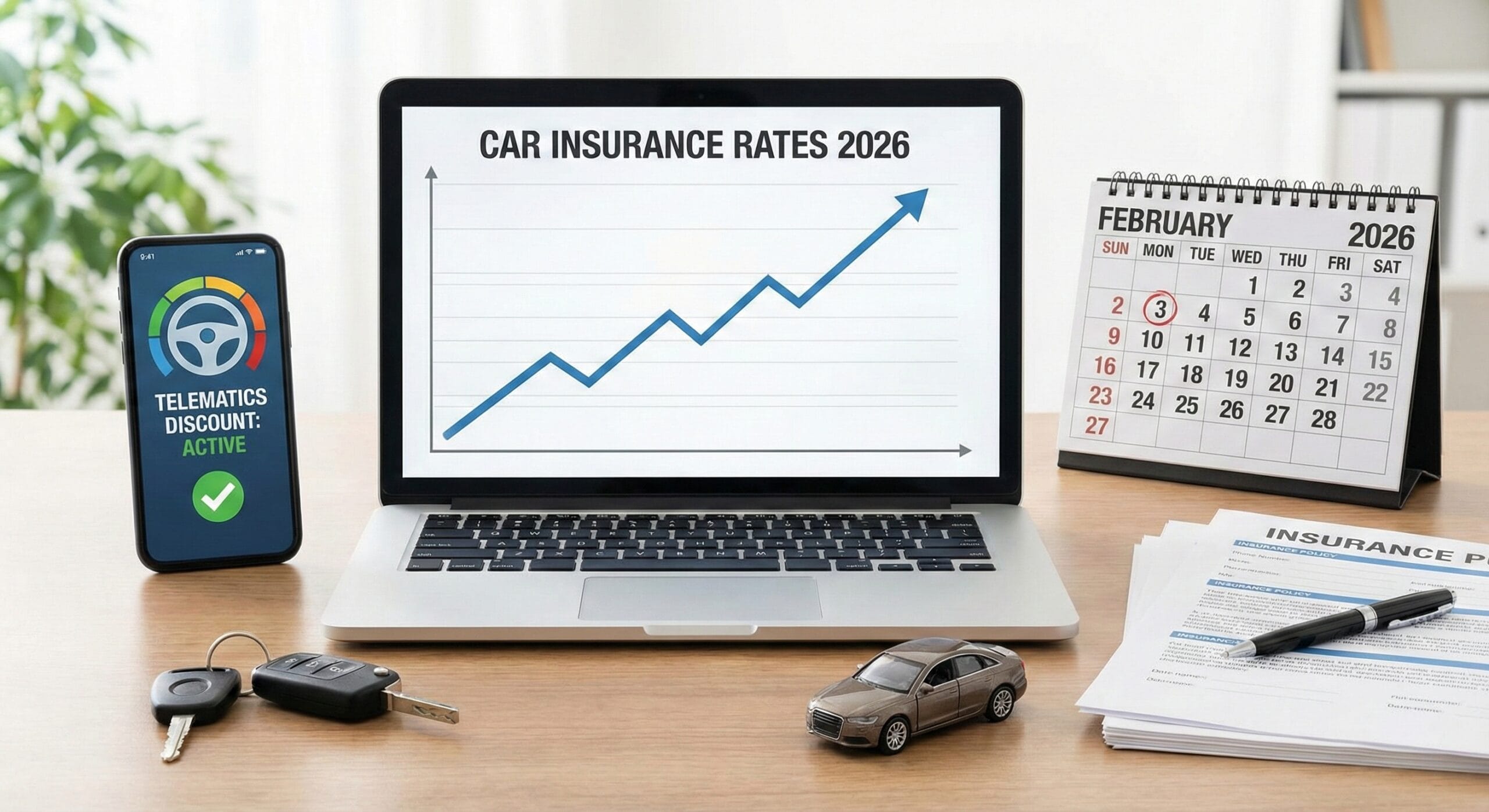
This is the single biggest money-saver in 2026. Telematics programs (like State Farm’s Drive Safe & Save or Progressive’s Snapshot) use a phone app to track your driving.
- The Reward: Drivers in 2026 are seeing discounts of 15% to 30%.
- The Trade-off: You give up privacy. But if you are a safe driver, this is essentially “free money.”
2. The Deductible Math
Raising your deductible to $1,000 can drop your annual premium by 10–15%. Only do this if you have $1,000 in an emergency fund.
3. The “Loyalty Tax”
Insurers use algorithms to predict if you are the type of person who shops around. If their data shows you are “loyal,” they will slowly creep your rate up. For more on state-specific regulation changes, check The Zebra’s 2026 Insurance Report.
Summary: Stop the Bleeding
The era of cheap coverage is likely gone. But that doesn’t mean you have to accept a 10% hike.
Your Action Plan:
- Check Your State: If you are in NJ, NV, or FL, reshop immediately.
- Download the App: Sign up for Telematics. It’s the only real way to lower car insurance rates in 2026.
- Audit Your Coverage: Drop “Collision” on older cars if the premium is too high.
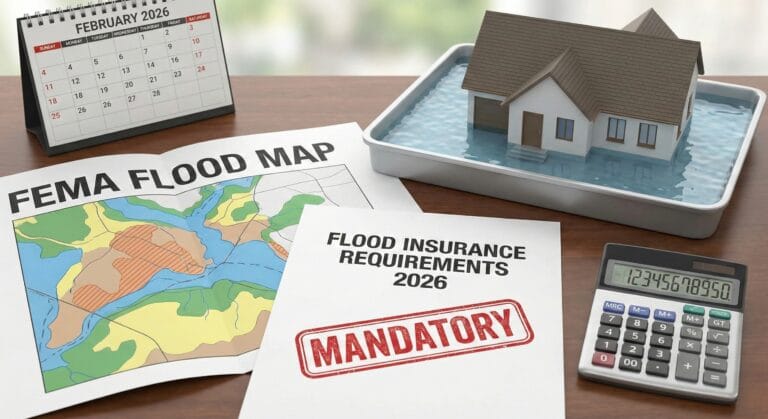
If you are also seeing hikes in your home premiums, check our guide on Flood Insurance Requirements 2026 to see if you are being overcharged for water coverage.